

Spinal Decompression Therapy for Lower Back Pain After an MRI LS Spine
Book Your Spinal Decompression Therapy for Lower Back Pain Today
Lower back pain can make simple activities like walking, sitting, or bending difficult. If your MRI LS spine shows a disc problem or nerve compression, your doctor may recommend spinal decompression therapy as part of your treatment plan. Keep reading to learn when this treatment is recommended, how it works, who may benefit, and what you can expect before making an informed decision.
What Is Spinal Decompression Therapy?
Spinal decompression therapy is a treatment that reduces pressure on the discs and nerves in the lower back. It may be performed without surgery using a specialized traction table or through surgery for more severe spinal conditions. The goal is to relieve pain, improve movement, and create space around compressed nerves so the spine can function more comfortably.
MRI LS Spine Results That May Lead to Spinal Decompression Therapy
An MRI LS spine helps doctors identify problems affecting the lumbar spine. While not every abnormal MRI finding requires decompression therapy, certain conditions may increase the likelihood of this treatment when symptoms, physical examination, and imaging findings match.
Disc bulge: A bulging disc extends beyond its normal position and may press against nearby nerves, causing lower back pain, leg pain, or numbness.
Herniated disc: A herniated disc occurs when the inner disc material pushes through the outer layer, often leading to sciatica, nerve irritation, and persistent pain.
Lumbar spinal stenosis: Narrowing of the spinal canal can compress nerves, resulting in leg pain, weakness, balance problems, and discomfort while walking.
Foraminal stenosis: The openings where spinal nerves leave the spine become narrower, causing nerve compression, tingling, weakness, or pain that radiates into the legs.
Degenerative disc disease: Age related disc wear can reduce disc height and flexibility, increasing pressure on nearby joints and nerves.
Nerve root compression: Direct pressure on a spinal nerve root may lead to sharp pain, numbness, muscle weakness, or reduced sensation in the affected leg.
Spondylolisthesis: One vertebra slips forward over another, which may compress spinal nerves and cause lower back pain or walking difficulty.
Facet joint arthritis: Arthritis affecting the small joints of the spine can contribute to stiffness, inflammation, and chronic lower back pain.
MRI Findings and Possible Treatment
MRI Finding | Possible Symptoms | Is Decompression Always Needed? |
Disc bulge | Back pain, mild leg pain | No |
Herniated disc | Sciatica, numbness, weakness | Sometimes |
Lumbar spinal stenosis | Leg pain while walking, weakness | Sometimes |
Foraminal stenosis | Radiating leg pain, tingling | Sometimes |
Degenerative disc disease | Chronic back pain, stiffness | Usually No |
Nerve root compression | Sharp pain, numbness, weakness | Often depends on severity |
Spondylolisthesis | Back pain, leg pain | Sometimes |
Facet joint arthritis | Stiffness, localized pain | Usually No |
Decompression Treatment for Lower Back Pain
Decompression treatment aims to reduce pressure on spinal discs and nerves that contribute to lower back pain. Depending on the MRI findings, symptoms, and severity of the condition, your doctor may recommend either non surgical spinal decompression therapy or surgical decompression.
Non Surgical Spinal Decompression
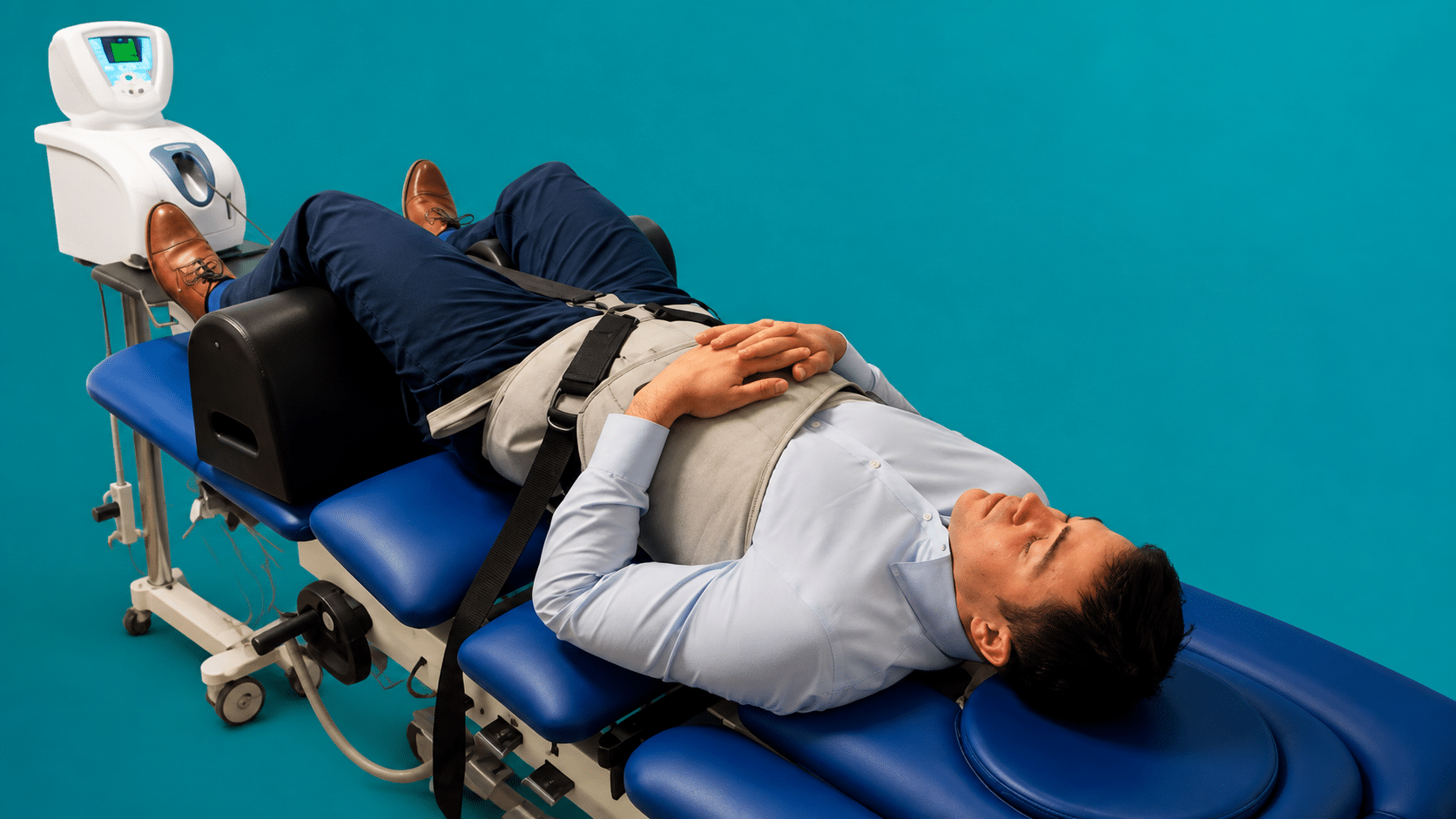
Non surgical spinal decompression uses a computerized traction table that gently stretches the spine. This controlled movement may reduce pressure inside the discs, improve blood flow, and relieve nerve compression. It is commonly considered for selected patients with disc bulges, herniated discs, or sciatica who do not require surgery.
Surgical Decompression
Surgical decompression removes bone, disc material, or thickened tissue that compresses spinal nerves. Procedures such as microdiscectomy or laminectomy are recommended when symptoms are severe, neurological weakness develops, or conservative treatments have not provided sufficient relief.
Who May Benefit From Spinal Decompression Therapy
Spinal decompression therapy may be recommended for people whose symptoms match MRI findings and who continue to experience pain despite appropriate conservative treatment.
- Sciatica causing pain down one or both legs
- Persistent leg pain lasting several weeks
- Numbness affecting the legs or feet
- Tingling sensations caused by nerve compression
- Muscle weakness related to spinal nerve pressure
- Walking difficulty due to lumbar spinal stenosis
- Failed conservative treatment including medication and physiotherapy
- MRI confirmed nerve compression with ongoing symptoms
When Decompression May Not Be Appropriate
Spinal decompression therapy may not be suitable for everyone. It is generally avoided in patients with spinal fractures, severe osteoporosis, spinal infections, certain tumors, advanced spinal instability, or pregnancy for non surgical traction. Your doctor will evaluate your medical history, MRI results, and overall health before recommending the most appropriate treatment.
How Doctors Decide if Decompression Is the Right Option After MRI
An MRI LS spine provides valuable information, but doctors do not rely on imaging alone. They compare MRI findings with symptoms, physical examination, and neurological assessment to decide whether spinal decompression therapy is likely to provide meaningful relief.
Clinical examination: The doctor checks your posture, walking pattern, spinal movement, pain location, muscle strength, and flexibility to identify the source of symptoms.
MRI findings: MRI images help identify disc bulges, herniated discs, spinal stenosis, nerve root compression, or other structural changes causing lower back pain.
Neurological assessment: Reflexes, muscle power, sensation, and nerve function are evaluated to identify signs of nerve damage or progressive weakness.
Pain duration: Pain lasting several weeks despite medication, activity modification, and physiotherapy may require further evaluation for decompression treatment.
Previous treatments tried: Doctors review whether rest, medications, physiotherapy, injections, or lifestyle changes have improved symptoms before recommending advanced treatment.
MRI findings alone should not determine whether surgery or spinal decompression therapy is required. The best treatment decision is made by matching imaging results with your symptoms, physical examination, and response to conservative treatment.
Types of Decompression Treatment
Spinal decompression treatment includes both non surgical and surgical options. The right choice depends on your MRI LS spine findings, symptoms, overall health, and how well previous treatments have worked.
Decompression Treatments
Treatment | Best For | Hospital Stay | Recovery |
Non Surgical Spinal Decompression | Mild to moderate disc problems | Not required | Immediate return to daily activities |
Mechanical Traction | Temporary pain relief | Not required | Same day |
Physiotherapy Based Decompression | Chronic lower back pain | Not required | Gradual improvement |
Minimally Invasive Lumbar Decompression | Lumbar spinal stenosis | Usually day care | Few weeks |
Microdiscectomy | Herniated disc with sciatica | One day in many cases | Two to six weeks |
Laminectomy | Severe spinal stenosis | One to three days | Four to twelve weeks |
Endoscopic Spine Surgery | Selected disc and nerve problems | Often day care | Two to six weeks |
How Non Surgical Spinal Decompression Therapy Is Performed
Non surgical spinal decompression is usually performed in an outpatient setting. The treatment is painless for most people and each session is carefully adjusted according to your condition and comfort level.
Before treatment: Your doctor reviews your MRI LS spine, symptoms, medical history, and physical examination to confirm whether spinal decompression therapy is suitable.
During the session: You lie comfortably on a motorized decompression table while a harness is placed around your lower body. The table gently stretches and relaxes the spine in controlled cycles.
Session duration: Most treatment sessions last about 20 to 45 minutes, depending on your condition and treatment plan.
Typical number of sessions: Many patients require multiple sessions over several weeks, although the exact number depends on symptom severity and treatment response.
Recovery expectations: Most people return to normal daily activities immediately after treatment. Your doctor may also recommend exercises, posture correction, and physiotherapy for better long term results.
Benefits of Decompression Treatment
The benefits of spinal decompression therapy depend on your diagnosis, MRI findings, and the treatment recommended by your spine specialist.
- Reduces pressure on compressed spinal nerves.
- Helps relieve persistent lower back pain.
- Decreases pain radiating into the legs.
- Improves walking and daily movement.
- Supports better spinal flexibility and function.
- May improve quality of life significantly.
- Promotes healing through improved disc nutrition.
- Faster recovery in suitable patients.
Possible Risks and Side Effects
Non surgical spinal decompression therapy is generally considered safe when performed on carefully selected patients. Some people may experience temporary muscle soreness, mild discomfort, or increased pain during the first few sessions. Serious complications are uncommon, but the treatment is not suitable for every spinal condition.
Surgical decompression procedures, including minimally invasive techniques and open surgery, carry additional risks such as infection, bleeding, blood clots, nerve injury, anesthesia related complications, or incomplete symptom relief. Your surgeon will explain the expected benefits and possible risks before recommending any procedure.
Decompression Therapy vs Other Lower Back Pain Treatments
Treatment | Ideal Patient | Recovery | Hospital Stay | Expected Results |
Physiotherapy | Mild to moderate back pain | Gradual | No | Better strength and flexibility |
Decompression Therapy | Disc related nerve compression | Same day | No | Reduced nerve pressure and pain |
Pain Medication | Short term symptom relief | Immediate | No | Temporary pain control |
Epidural Injection | Nerve inflammation | One to two days | No | Temporary reduction in pain |
Radiofrequency Ablation | Facet joint pain | Few days | No | Pain relief lasting several months |
Microdiscectomy | Herniated disc with severe sciatica | Two to six weeks | Usually one day | Fast relief of leg pain |
Laminectomy | Lumbar spinal stenosis | Four to twelve weeks | One to three days | Improved walking and reduced nerve pressure |
Recovery Timeline After Decompression Treatment
Recovery depends on the type of spinal decompression treatment, your overall health, and the spinal condition being treated. Most patients notice gradual improvement rather than immediate relief. Following your rehabilitation plan, maintaining good posture, and performing recommended exercises play an important role in achieving the best possible outcome.
Timeline | What You May Experience |
First day | Mild soreness or early pain relief |
First week | Improved mobility and reduced nerve irritation |
First month | Better walking, sitting, and daily activities |
Three months | Continued healing and improved spinal function |
Long term | Better quality of life with ongoing exercise and healthy spine care |
Cost of Decompression Treatment
The cost of spinal decompression treatment varies depending on the country, hospital, treatment method, and the number of sessions or surgical procedures required. Non surgical spinal decompression is generally priced per session, while surgical decompression includes hospital, surgeon, anesthesia, and rehabilitation costs. If you are seeking treatment in a specific city, request a personalized estimate after your MRI LS spine and specialist consultation.
Preparing for Decompression Treatment
Preparing well before spinal decompression therapy helps your treatment go more smoothly and allows your doctor to plan the most suitable approach. Bring all relevant medical records and follow your doctor’s instructions before the procedure.
Checklist
- MRI LS spine images and reports
- Previous medical records and prescriptions
- Medication review with your doctor
- Blood tests, if advised
- Fasting before surgery, if required
- Arrange transportation after surgical procedures
- Plan physiotherapy and follow up visits
Results You Can Expect
Most patients experience gradual improvement rather than immediate pain relief. The results depend on the cause of your lower back pain, the type of decompression treatment, and how closely you follow your rehabilitation plan. Regular exercise, good posture, and physiotherapy can improve long term outcomes and help reduce the chance of symptoms returning. Your doctor will monitor your recovery and adjust your treatment if needed.
Timeline | Expected Results |
Pain improvement | Gradual reduction over days or weeks |
Walking | Better balance and longer walking distance |
Sleep | Less pain may improve sleep quality |
Return to work | Depends on your job and treatment type |
Exercise | Gentle exercises begin as advised |
Long term outlook | Better mobility and improved daily function |
When to Seek Immediate Medical Care
Seek immediate medical attention if you experience any of the following after spinal decompression treatment:
- Sudden loss of bladder control requires urgent evaluation.
- Sudden loss of bowel control needs emergency care.
- Saddle numbness around groin requires immediate medical attention.
- Progressive leg weakness should never be ignored.
- Severe worsening pain despite treatment needs urgent review.
Spinal Decompression Therapy for Cervical Spine Conditions
Spinal decompression therapy is not limited to the lower back. It may also help selected patients with cervical spine conditions that compress nerves in the neck. When MRI findings, symptoms, and clinical examination are consistent, your spine specialist may recommend cervical decompression to reduce nerve pressure, relieve pain, and improve neck function.
Cervical Conditions That May Benefit From Spinal Decompression
- Cervical disc herniation causing neck and arm pain
- Cervical spinal stenosis with nerve compression
- Cervical radiculopathy causing pain, numbness, or tingling in the arms
- Degenerative cervical disc disease with persistent symptoms
- Cervical foraminal stenosis affecting spinal nerve roots
- Selected cases of cervical myelopathy requiring surgical decompression
Take the Next Step Towards Lasting Back Pain Relief
Living with lower back pain does not have to become your normal routine. If your MRI LS spine shows nerve compression, a disc problem, or spinal stenosis, spinal decompression therapy may help reduce pain and improve your daily activities. Speak with a qualified spine specialist who can match your MRI findings with your symptoms and recommend the most suitable treatment plan. Early diagnosis and timely care can help you return to an active and comfortable lifestyle.
Safe and Affordable Spinal Decompression Therapy in Dubai
Amax Healthcare helps you access advanced spinal decompression therapy through trusted hospitals and experienced spine specialists across Dubai. Whether you need a detailed consultation after an MRI LS spine or guidance on non surgical and surgical treatment options, we connect you with affordable, reliable care. Our network focuses on accurate diagnosis, personalized treatment plans, and comprehensive follow up to support your recovery with confidence.
Frequently Asked Questions
Can spinal decompression therapy cure lower back pain completely?
Spinal decompression therapy can significantly reduce pain caused by disc related nerve compression, but results vary for each person. The outcome depends on your diagnosis, symptom severity, and whether you follow your rehabilitation plan.
Is spinal decompression therapy painful?
Most people find non surgical spinal decompression comfortable. You may feel a gentle stretching sensation during treatment. Mild soreness after a session is possible, but severe pain is uncommon and should be reported to your doctor.
How long does a spinal decompression therapy session take?
A typical non surgical spinal decompression session lasts between 20 and 45 minutes. The number of sessions depends on your condition, MRI findings, and how your symptoms improve during treatment.
Can spinal decompression therapy treat a slipped disc?
Yes, selected patients with a slipped disc or herniated disc may benefit from spinal decompression therapy. Your doctor will decide if it is suitable after reviewing your MRI LS spine and physical examination.
Is surgery always needed after an MRI LS spine shows a disc bulge?
No. Many people with a disc bulge improve with medication, physiotherapy, lifestyle changes, or non surgical spinal decompression therapy. Surgery is usually considered only when symptoms are severe or do not improve.
Who should avoid spinal decompression therapy?
People with spinal fractures, severe osteoporosis, spinal infections, certain tumors, or advanced spinal instability may not be suitable candidates. A spine specialist will review your medical history before recommending treatment.
How soon can I return to normal activities after spinal decompression treatment?
Most people resume daily activities on the same day after non surgical spinal decompression therapy. Recovery after surgery takes longer and depends on the procedure, your overall health, and your doctor’s advice.