

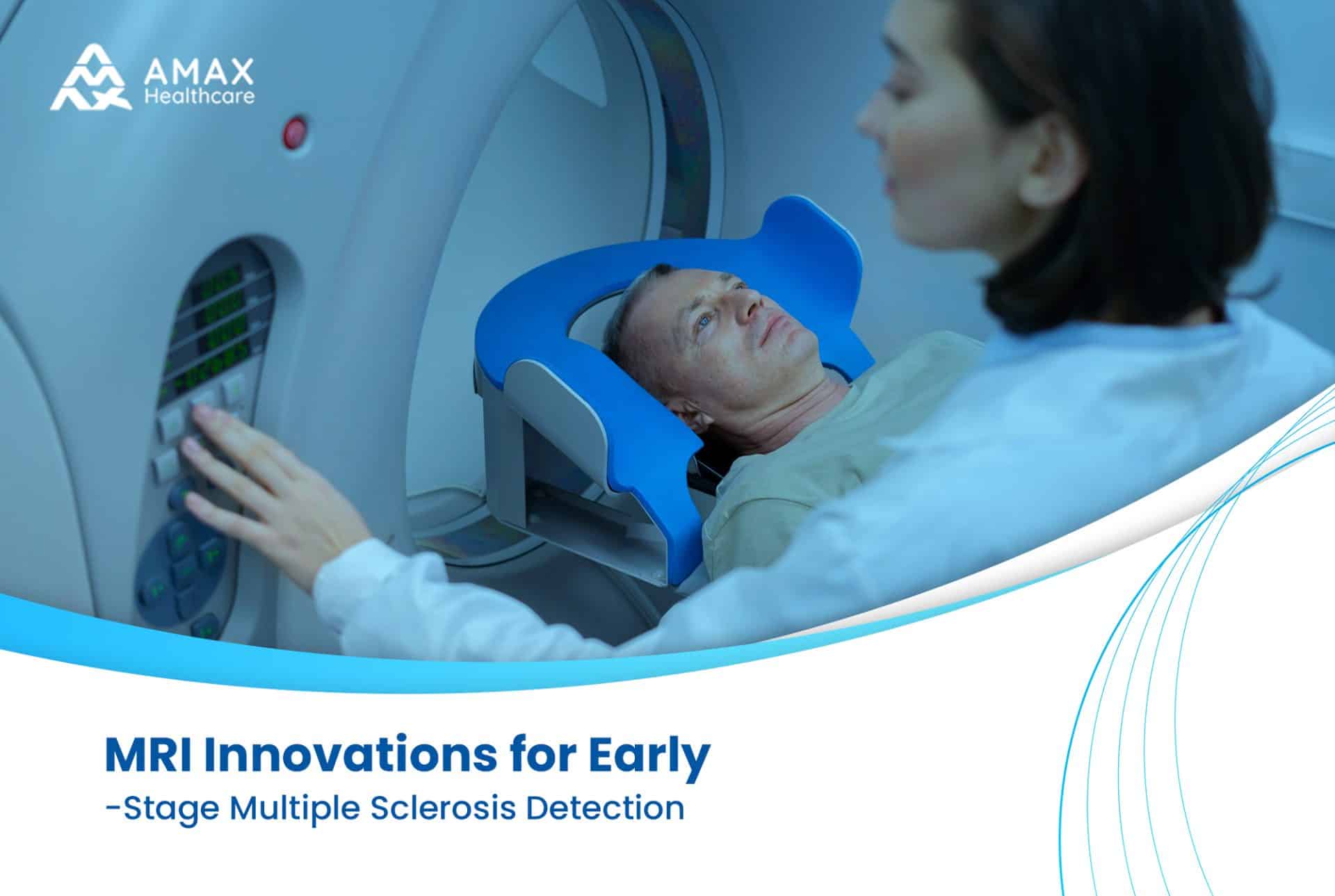
MRI Innovations for Early-Stage Multiple Sclerosis Detection
Early detection and intervention are crucial in managing multiple sclerosis (MS). Advancements in MRI technology have significantly improved our ability to diagnose and monitor MS progression.
The Role of MRI in MS Diagnosis
MRI is an indispensable tool in diagnosing MS. By providing detailed images of the brain and spinal cord, MRI helps identify characteristic lesions associated with the disease. Early diagnosis allows for timely intervention with disease-modifying therapies (DMTs), which can slow disease progression and reduce the risk of disability.
MRI Techniques for MS Detection
- T1-weighted imaging: Provides detailed anatomical information and helps identify lesions.
- T2-weighted imaging: Detects inflammation and edema associated with MS lesions.
- FLAIR (Fluid-Attenuated Inversion Recovery) imaging: Suppresses the signal from cerebrospinal fluid, highlighting lesions.
- Diffusion-weighted imaging (DWI): Detects acute inflammation and tissue damage.
- Magnetization transfer imaging (MTI): Assesses tissue microstructure and may help identify early disease activity.
Importance of Contrast-Enhanced MRI
Contrast-enhanced MRI using gadolinium-based agents can help identify active inflammation in the brain and spinal cord. While contrast agents are generally safe, it’s essential to assess individual patient factors before administration.
The Benefits of Early MS Detection
Early diagnosis and treatment of MS can significantly improve patient outcomes. By detecting the disease in its early stages, healthcare providers can:
- Slow disease progression: Early intervention with DMTs can help reduce the formation of new lesions and prevent disability accumulation.
- Reduce relapse frequency: Timely treatment can lower the number of MS attacks, improving quality of life.
- Preserve neurological function: Early treatment can help maintain cognitive function, mobility, and independence.
- Improve long-term outlook: Early intervention has been shown to reduce the risk of developing severe MS forms.
Amax Healthcare’s Commitment to MS Care
At Amax Healthcare, we utilize the latest MRI technology and expertise to provide accurate and timely diagnosis of MS. Our focus on patient care includes:
- Early detection: Identifying MS at its earliest stages through advanced MRI techniques.
- Disease monitoring: Tracking disease progression and response to treatment using serial MRI scans.
- Patient comfort: Creating a relaxed environment to minimize anxiety during the exam.
By combining cutting-edge technology with compassionate care, we aim to improve the lives of patients with MS.